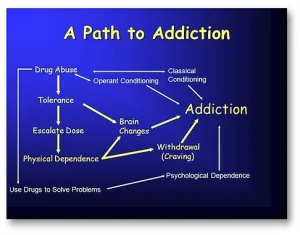
Addiction is said to be a psychological and physical inability to stop consuming a chemical, drug, activity or substance, even if it causes physiological and physical harm. It does not refer to dependence on a substance such as heroin or cocaine. When a person is unable to stop taking a particular drug or chemical it is said to be substance dependence. 1
A drug affects how your body and mind functions. They are capable of changing how you feel, think and behave. 3
Drug addiction is also known as substance use disorder. It is a disease that affects a person’s brain and behaviour which leads to an inability to control the use of a legal drugs, illegal drugs or medication. 2
Types of drugs
Legal drugs – Alcohol, Nicotine, Opioids, Painkillers and Opiates.
Illegal drugs – Heroin, Cocaine, Ecstasy, Meth and Nyaope.
Risk Factors 2
Family history of addiction: having a first-degree relative increases your risk due to genetic predisposition.
Mental health disorders such as attention deficit/hyperactivity disorder, depression or post-traumatic stress disorder increase your risk as it may become a coping mechanism for painful feelings.
Peer pressure: increasing factors found mostly in the young.
Lack of family involvement which includes lack of parental supervision and lack of a bond with parents or siblings.
Early use: starting to use drugs at a young age increase your risk of addiction and may cause changes in the developing brain.
Taking a highly addictive drug such as stimulants, cocaine or opioid painkillers, can result in quicker development of addiction than other drugs. Smoking or injecting drugs have also been seen to increase the potential for addiction.