What is Depression?
A mood disorder that causes a persistent feeling of sadness and loss of interest. It affects how you feel, think and behave and can lead to a variety of emotional and physical problems. You may have trouble doing normal day-to-day activities, and sometimes you may feel as if life isn’t worth living.
More than just a bout of the blues, depression isn’t a weakness and you can’t simply “snap out” of it.
Possible Causes
- Biological differences – physical changes in their brains.
- Brain chemistry – changes in the function and effect of neurotransmitters (brain chemicals) and how they interact with neurocircuits involved in maintaining mood stability.
- Hormones – Changes in the body’s balance of hormones while pregnant and during the weeks or months after delivery (postpartum), thyroid problems, menopause, etc.
- Family history of depression.
Risk Factors
- Certain personality traits – low self-esteem, being too dependent, self-critical or pessimistic.
- Traumatic or stressful events – physical or sexual abuse, the death or loss of a loved one, a difficult relationship or financial problems.
- Childhood trauma or depression that started when you were a teen or child.
- Blood relatives with a history of depression, bipolar disorder, alcoholism or suicide.
- Being lesbian, gay, bisexual or transgender in an unsupportive situation.
- History of other mental health disorders – anxiety disorder, eating disorders or post-traumatic stress disorder.
- Abuse of alcohol or illegal drugs.
- Serious or chronic illness – cancer, stroke, chronic pain or heart disease.
- Certain medications – some high blood pressure medications or sleeping pills (talk to your doctor before stopping any medication)
Signs and Symptoms 5
Five (or more) of the following symptoms have been present during the same two-week period and represent change from previous function and at least one of the symptoms should be either (1) depressed mood or (2) loss of interest or pleasure.
Note: symptoms should not be included due to another medical condition.
- Depressed most of the day or nearly every day as indicated by self for example, feeling sad, empty, hopelessness) or by observation made by other (for example, appears tearful).
- Noticeably diminished interest or pleasure in all, or almost all activities, most of the day, nearly every day as indicated by self or observation by others.
- Unintentional weight loss (change of more than 5% of body weight in a month) or decrease in appetite nearly every day.
- Insomnia or hypersomnia nearly every day.
- Psychomotor agitation or retardation nearly every day (observable by others, not merely subjectable feels or restlessness or being slowed down).
- Fatigue or loss of energy early every day.
- Feelings of worthlessness or excessive or inappropriate guilt (which may be delusional) nearly every day (not merely self-criticism or guilt about being sick).
- Diminished ability to think or concentrate, or indecisiveness, nearly every day (either by subjective account or as observed by other).
- Recurrent thoughts of death (not just fear of dying), recurrent suicidal ideation without a specific plan, or a suicide attempt or a specific plan for committing suicide.
- Symptoms cause clinically significant distress or impairment in social, occupational or other important areas of functioning.
- Episode is not due to the physiological effect of a substance or to another medical condition.
- The episode is not better explained by another psychotic disorder such as schizophrenia.
- There has never been a manic or hypomanic disorder.
Complications associated with Depression include
- Excess weight or obesity
- Pain and physical illness
- Alcohol or substance misuse
- Anxiety, panic disorder or social phobia
- Family conflicts, relationship difficulties, and work or school problems
- Social isolation
- Suicidal feelings, suicide attempts or suicide
- Self-mutilation, such as cutting
- Premature death from other medical conditions
Lifestyle Changes
- Stick to your treatment plan: Don’t skip psychotherapy sessions or appointments and don’t skip your medications.
- Learn about depression: Education about your condition can empower and motivate you to stick to your treatment plan.
- Pay attention to warning signs: Learn what might trigger your depression symptoms.
- Avoid alcohol and recreational drugs.
- Take care of yourself: Eat healthy, be physically active and get plenty of sleep.

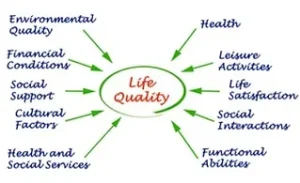
How to improve Quality of Life with Depression 1; 2
- Exercise can help improve your mood by releasing natural endorphins in the body.
- Having a great support network, whether it be support groups or family and friends will help in improving your depression. Try not to isolate yourself.
- Develop a technique which can help you reduce stress when faced with it.
- Train your mind to stop negative thinking which can dampen your mood. Focus on what you are able to do and not what you cannot do.
- It has been said that having a pet can be therapeutic and has been seen to have mental health improvements.
- Keep yourself from falling into procrastination. This can be by finding a new hobby, schedule social activities, taking walks, take a class or join a club.
- Lack of sleep can worsen your depression. Make sure you get enough sleep, about seven to nine hours, every day.
- Getting some vitamin D can help with your mood. Try expose yourself to 15 minutes of sunlight every day
- Educate yourself about depression and know the warning signs that will require a doctors attention.
References
- Schimelpfening, N. [Internet]. 8 Tips for living with Depression. America: verywell mind; [updated 2019 Jul 26; cited 2019 Aug 15]. Available from: https://www.verywellmind.com/tips-for-living-with-depression-1066834.
- Husbands, J. [Internet]. Exercise can improve the quality of life in people with Depression. United Kingdom: Psych Central; [updated 2018 Jul 08; cited 2019 Aug 15]. Available from: https://psychcentral.com/blog/exercise-can-improve-the-quality-of-life-in-people-with-depression/.
- Scott-Mumby, K. [Internet]. Could Poor Quality of Life Cause A Misdiagnosis?. United Kingdom: Keith Scott-Mumby; [update 2019; cited 2019 Aug 15]. Available from: https://alternative-doctor.com/wp-content/uploads/2014/10/Depositphotos_24970631_xs1.jpg.
- Precision Fitness [Internet]. Depression and Exercise. America: Placentia Personal trainer [updated 2014 Oct 3, cited 2019 Aug 15]. Available from: http://placentiapersonaltraining.com/2014/10/03/depression-and-exercise/.
- Medical aid mental health [ Internet]. DSM-5 Criteria: Major Depressive Disorder. America: Medicalaidmentalhealth.org; [updated 2018; cited 2019 Aug 27]. Available from: http://www.medicaidmentalhealth.org/_assets/file/Guidelines/2017-2018%20Treatment%20of%20Adult%20Major%20Depressive%20Disorder.pdf.